

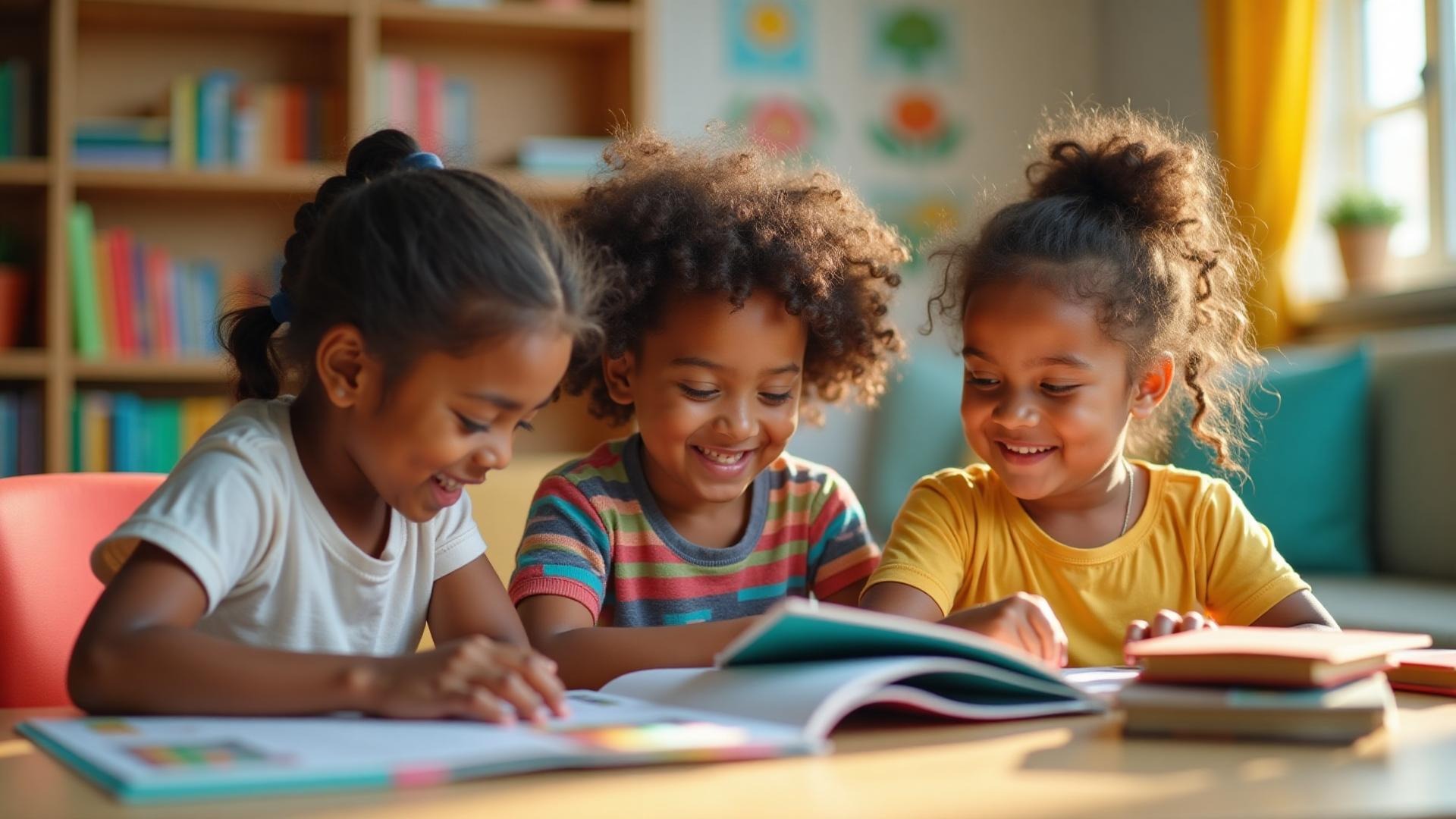
Building everyday language bridges
For curious families, bilingual Learning for Families becomes a compact toolkit. It starts with listening rituals at home, short songs in the morning, and story times that flip between languages. The goal isn’t perfect grammar overnight but real confidence to say yes when a child asks a question in a different tongue. Parents notice how kids Bilingual Learning for Families latch onto sounds and rhythms, how small exchanges spark longer conversations. A practical plan fits busy lives: two short sessions after school, a weekend activity, and a quick review before bed. The approach respects each child’s pace and makes family life feel richer, not forced or tiring.
Small steps that build steady momentum
In the context of bilingual learning for children, tiny wins matter more than grand promises. A kid might label a toy in one language and then switch, showing a growing comfort with code-switching. Encourage this without correction storms. Use real things: a plate of bilingual learning for children fruit, a favourite game, a trip to a shop. Keep rules light, praise effort, and annotate aloud as scenes unfold. The rhythm should stay playful, not stiff, so curiosity travels from one room to another with ease.
Resources that fit real family life
Families find value in practical materials that fit real schedules. Short video clips during lunch, bilingual picture books beside the sofa, and simple flashcards kept in a file by the door. Rotate topics to match seasons and holidays, so language feels relevant, not abstract. When a child asks for the story in a different language, it’s a cue that the learning is working. The aim is clarity over perfection, connection over flash, and a sense that language learning can share the daily spotlight rather than sit in a classroom corner.
Creating safe spaces for language play
Key to progress is the atmosphere of trust around language choices. Offer options, not ultimatums. If a child stumbles over a sentence, pause and rephrase kindly, then invite them to try again later. Bilingual learning for children thrives when mistakes become clues, not failings. A quiet corner with a notebook, a favourite stuffed animal, and a timer for gentle practice reduces pressure. Adults model curiosity, reflecting on sounds, meanings, and friends who might speak other dialects. Playful prompts can unlock new voices without turning the home into a test room.
Family routines that reinforce language naturally
Integrating two languages into daily rhythms pays off. Routine moments like mealtimes, bath time, and bedtime can host short language swaps that feel natural rather than chore-like. Use labels around the house to build a shared vocabulary, then mix in questions that invite memory and reasoning. The heart of bilingual learning for families lies in consistency rather than intensity. Small, joyful exposures create lasting associations, so children carry the language through chores, chores through conversations, and conversations into school life.
Conclusion
When language movement becomes part of daily life, families witness tangible shifts: more words in play, braver asking, kinder listening. The approach respects every learner’s pace, offering flexible steps that suit late risers, shift workers, or carers juggling several roles. Details matter—timers that encourage short bursts, shared reading moments, and choice in what to explore next. Over time, two languages weave into a family fabric, offering cognitive benefits and richer cultural conversations. For parents seeking a steady, human way to grow language at home, lellehua.com hosts practical tips and ideas that stay grounded in everyday life and real outcomes for children and families alike.