

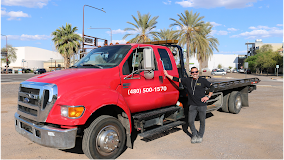
Before You Call: Quick Safety and Info Checklist
When your vehicle breaks down, start by making safety your first priority. Pull as far off the road as possible, turn on hazard lights, and keep passengers away from traffic lanes. If you’re on a busy Towing Services highway shoulder, consider staying inside the vehicle with the seatbelt on while you wait for help. These small steps reduce risk while you prepare for the next part of the checklist.
Next, gather the details that speed up assistance. Note your exact location, including nearby cross streets or recognizable landmarks, and be ready to describe the problem in simple terms. Check whether you have power to the dash, what warning lights appear, and whether the vehicle will crank or start. If towing is needed, share your car’s approximate size and whether it has an automatic or manual transmission.
At-Scene Verification: What to Confirm With the Driver
Once roadside assistance arrives, confirm key information before work begins. Ask the provider to explain what services are being requested and what the plan looks like for your specific situation. If the issue is a no-start, verify whether they will attempt a jump start first or proceed straight to a tow based on battery and electrical checks. Clear communication helps prevent delays and ensures the right equipment is brought to the scene.
Use a simple verification approach to keep things organized. Ask if the vehicle will be secured with proper tie-down points and if the driver will follow safe loading procedures. If your car can move a short distance, discuss whether repositioning is safe or whether it should remain where it is. For damaged wheels or tires, confirm whether the team will handle tire changes on-site or recommend transport if the tire damage is unsafe to repair.
Service Options Checklist: Tow, Fuel, Tires, Batteries, and More
A strong roadside plan includes knowing what help is available beyond towing. Fuel assistance can help when you run low and need a safe way to get back on the road, especially when the nearest station is inconvenient. Tire services, including on-site tire changes, can restore mobility without waiting for long repairs. Having a clear understanding of these options makes it easier to choose the best next step for your situation.
Battery problems can look similar to other failures, so it helps to confirm what’s being addressed. Jump starts can often resolve a drained battery when the rest of the electrical system is functioning normally. If the battery is beyond assistance, the provider can advise on whether towing to a repair facility is the safer option. When you understand the full menu of roadside support, you reduce back-and-forth and get help that matches the problem instead of guessing.
Payment, Paperwork, and Arrival Expectations Checklist
Before the service is completed, confirm practical details so there are no surprises. Ask how dispatch handles routing, what to expect during arrival, and where you should meet the crew for the safest access. Keep your driver’s license and vehicle information accessible, since it can help with quick documentation. If your vehicle is parked off the roadway, discuss the safest approach route to avoid unnecessary repositioning.
For billing and authorization, request a clear explanation of what’s included in the service. If multiple actions are possible, confirm the scope before additional work begins. For example, a jump start might be attempted first, but towing may be recommended if the battery test indicates a deeper issue. A checklist mindset helps you stay informed and makes the overall experience more predictable.
Conclusion
A reliable breakdown response is built on preparation, clear communication, and the right service choices. Use the checklist approach to prioritize safety, share accurate location details, and confirm the plan once help arrives. When you know what to ask for—whether it’s a tow, fuel support, tire help, or battery assistance—you spend less time waiting and more time getting back on track. Their team delivers dependable assistance for common roadside emergencies like towing, fuel assistance, tire changes, battery services, and jump starts. When you’re prepared with the right information and expectations, every step becomes smoother and the outcome becomes far less stressful.