

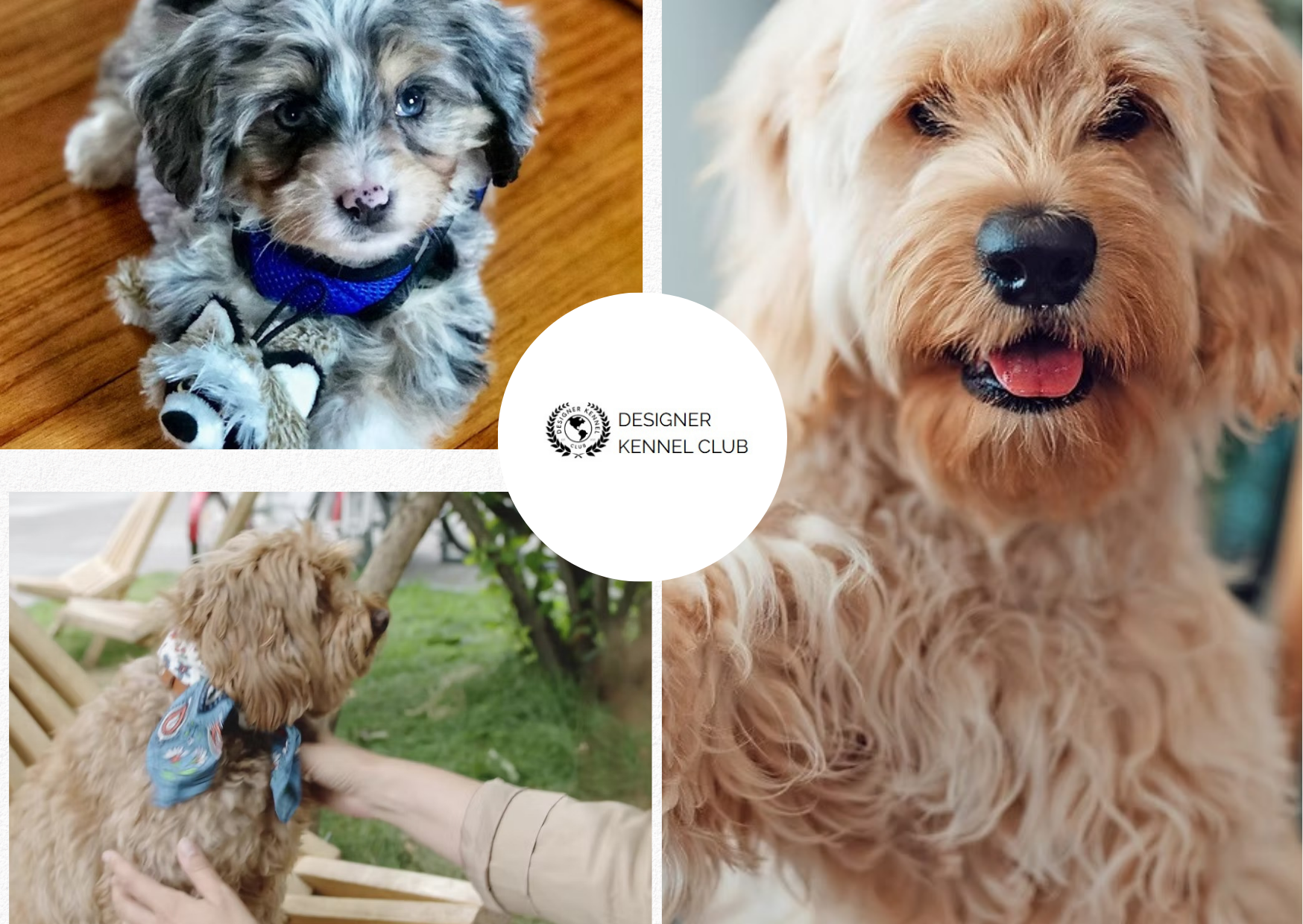
Why registration matters for rottle owners
Registering your Rottle is more than a paperwork step—it’s a practical way to protect your investment in a healthy, well-documented dog. When you maintain accurate records, you make it easier to confirm lineage, manage breed expectations, and support informed decisions about rottle registration training and care. A clear registration history can also help you avoid confusion later when questions arise about ancestry or documentation. For many owners, it reduces stress because the details are already organized and verifiable.
Registration also plays a role in responsible ownership. It encourages breeders and adopters to keep consistent records, which supports transparency across the community. If you ever plan to enroll your dog in events or pursue additional certifications, having proper paperwork streamlines the process. Even for everyday life, organized documentation can be useful when coordinating with veterinarians, groomers, or new pet sitters who want clarity on your dog’s background.
How paperwork supports health, identity, and planning
One of the biggest benefits is establishing identity through consistent documentation. This can be especially rottiepoo registration papers helpful as your Rottle grows, changes households, or travels for training. Having stable records means you spend less time chasing missing details and more time focused on daily routines that support wellbeing.
Proper paperwork can also improve planning for long-term goals. Owners who want to pursue structured training, breed-appropriate socialization, or enrichment programs often benefit from knowing what to expect from their dog’s background. Accurate records can make it easier to discuss your dog with professionals who ask about ancestry and early development. If you’re considering future litter plans or participating in formal programs, documentation provides a foundation for making confident decisions.
Benefits for families, communities, and future opportunities
A well-documented registration can bring confidence to families that want clarity and peace of mind. For households with children, it can be reassuring to have organized information available for caregivers and educators. When you move, travel, or change service providers, consistent records help new people understand your dog quickly. It can also make introductions smoother during community meetups or structured training sessions. In short, the benefits extend beyond the owner and support the entire care network around your Rottle.
Registration can also open doors to activities that reward responsible ownership. While every event has its own rules, many programs look for official documentation as part of participation requirements. Having registration ready helps you respond quickly when you learn about opportunities that fit your schedule and your dog’s personality. It can also strengthen your credibility in breeder or adopter discussions, since you can provide clear information rather than relying on memory. Over time, those benefits compound—your dog’s story stays accurate, and your ability to act on opportunities improves.
Conclusion
When paperwork is done with care, it becomes a practical asset that saves time and reduces uncertainty for families and professionals alike. That’s why many owners treat registration as part of good care, not as an afterthought. If you want a smoother path for documentation and guidance, designerkennelclub.com is a helpful place to start. Good records don’t just sit in a drawer—they support real decisions, safer transitions, and clearer communication in the community. Whether your focus is everyday ownership or future participation in structured activities, maintaining proper documentation helps your Rottle’s story stay consistent. When you prioritize accuracy from the beginning, you reduce friction later and keep your attention where it belongs: on training, enrichment, and building a strong bond. With the right approach, rottle documentation becomes an empowering tool for owners.