

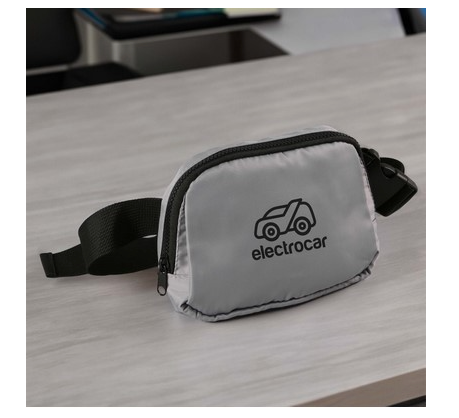
Why promotional items drive measurable brand value
Promotional products are more than giveaways; they are practical tools for keeping your brand visible in real life. When people use something daily—like a branded bottle, bag, or desk accessory—they repeatedly encounter your logo and message. Chandler AZ promotional products That repeated exposure helps your company stay top of mind long after an event ends. Over time, this visibility can translate into stronger recall, better engagement, and more qualified conversations.
To get true business value, it helps to choose items that match your audience’s routines and preferences. A tech team might appreciate durable tech accessories, while a sales audience may respond well to items tied to performance and organization. The best campaigns also include a clear goal, such as welcoming new employees, generating leads at trade shows, or reinforcing customer loyalty. When your swag supports that goal, it becomes part of a larger marketing system rather than a one-time expense.
How to choose the right items for your audience
The most effective promotional strategy starts with knowing who will receive the items and what motivates them. Consider the context: are you supporting a conference booth, onboarding a new team, or thanking existing customers? For trade show traffic, items that are easy to carry and quick to recognize often perform best, because attendees are moving and deciding fast. For corporate gifts, comfort, quality, and presentation matter more because recipients associate them with your professionalism.
Next, align your selections with your brand personality and the level of formality you want to communicate. For example, branded corporate apparel can signal team pride and credibility, while luxury promotional gifts can create a premium impression. Practical, everyday products—such as drinkware, reusable tote bags, or office organizers—often deliver long-lasting impressions because they stay in use. When you pair the right product category with strong branding, the result is a campaign that feels intentional and useful rather than random.
Finally, think about print and placement so your message looks sharp on the finished item. A logo that’s too small or placed in an awkward area can reduce brand impact, even if the product is popular. Choosing the correct method—like embroidery for a clean, textured look or screen printing for bold color—helps your branding hold up through regular handling. Your promotional products should look great at first glance and remain consistent after repeated use and washes.
Customization that strengthens your brand impression
Customization is where promotional products move from generic to memorable. With embroidery, you can create a premium, textured appearance that works especially well on hats, jackets, and polos. Screen printing is ideal for high-visibility graphics and can deliver vibrant color on many fabric types. For other product categories, quality finishing and placement options help ensure your logo stands out without looking crowded.
AZ Corporate Image supports consultative planning so your branding choices match your objectives and budget. Their approach helps businesses select styles, materials, and decoration methods that fit how recipients will interact with the items. That means you can avoid overpaying for unnecessary features while still achieving a professional end result. With wholesale-quality swag options, it’s easier to scale campaigns for events, onboarding, and ongoing marketing needs.
Brand consistency also matters across different product lines. When your logo, colors, and typography are applied consistently, your marketing feels unified across touchpoints like apparel, trade show materials, and customer gifts. Consistency builds trust because people recognize your company instantly. It also makes your internal teams feel more connected when they receive items that reflect the same visual standards your customers see everywhere else.
Events, recruiting, and customer loyalty made easier
Promotional products can support many business goals, from attracting new customers to strengthening relationships. At events, branded items help your booth stand out and give attendees a reason to stop and talk. When you provide useful products, people are more likely to remember your company after they return home. This can increase follow-up rates when your team tracks leads and offers next steps tied to the swag.
For recruiting and employee engagement, branded corporate apparel and thoughtful gifts can reinforce culture and belonging. New hires who receive quality items often feel welcomed in a tangible way, which can improve morale and help teams cohere faster. Branded gear also helps employees represent the company consistently in the field, at partner meetings, and in client-facing environments. Over time, that shared look can become part of your brand identity.
Customer loyalty campaigns benefit from items that feel considerate and durable. A well-chosen gift demonstrates that you value the relationship, not just the transaction. For repeat customers, seasonal or milestone-focused swag can mark progress and create emotional connection. Even for B2B businesses, practical branded tools can support ongoing use, making your company part of everyday workflows rather than a forgotten contact.
Conclusion
When you match products to real recipient needs, use customization methods that enhance brand clarity, and align everything to a specific marketing goal, the campaign becomes more effective. Quality and usefulness are what drive long-term impressions, turning swag into a reliable extension of your marketing strategy. With the right planning, promotional products can support events, recruiting, and customer loyalty without feeling scattershot. A consultative partner can help you select the best decoration methods, ensure brand consistency, and scale orders with dependable execution. If you want branded merchandise that looks professional and performs in the real world, a thoughtful approach will deliver stronger results for every campaign.