

Start with the clinical environment you label
The right depends less on marketing claims and more on how your labels will be used in real workflows. In healthcare and laboratory settings, labels must stay legible through handling, cleaning processes, and storage conditions. Before buying, map where medical label printer labels will be applied—on specimen bags, vials, medication packaging, or instrument storage—because each location can demand different durability. An expert recommendation usually begins with identifying whether your labels must resist moisture, smudging, or frequent temperature changes.
Next, consider the label format requirements that match your operations. Some teams need small, high-contrast labels for tight spaces, while others require wider formats for barcodes, lot numbers, and multi-line compliance text. Confirm your workflow details such as printer placement, label size standards, and whether staff will scan barcodes at receiving, in storage, or during dispensing. When these factors are documented, it becomes easier to select a printer type that supports consistent alignment and reliable readability across every shift.
Match print technology to accuracy, speed, and supplies
Many organizations choose a thermal solution because it supports crisp text and streamlined production without frequent ink changes. Thermal printing generally produces sharp edges on barcodes and fine fonts, which is crucial when labels must be scanned by automated systems. If your workflow prioritizes godex label printer rapid labeling with minimal downtime, thermal printers often fit well because they reduce maintenance tasks. For expert guidance, evaluate expected daily volume and whether you will run batches of labels or continuous printing throughout the day.
Supplies selection is another area where experience matters. Check the compatibility between your printer and label materials so you don’t end up with smearing, poor adhesion, or faded barcodes. Different label stocks can change how well information survives friction and handling, so choosing the correct stock for your environment is as important as the printer itself. If you’re comparing models like a, ask for sample outputs on your specific label media and confirm how the printed ink or thermal coating performs under real lab conditions.
Plan for barcode performance and compliance needs
In medical labeling, readability is not just a convenience—it directly impacts safety and traceability. Your selection should support dependable barcode printing with consistent contrast and properly sized quiet zones. If barcodes are scanned at multiple points, test scans under the lighting and scanner types your team uses. Expert recommendations often include verifying that the printer settings maintain consistent density across different label batches, not only on a single trial print.
Also evaluate how you capture essential information on labels. Many facilities need fields such as patient identifiers, specimen identifiers, dates, lot numbers, and routing instructions, which means the printer must handle varied text layouts cleanly. Consider whether you will print one-off labels or standardized templates and whether your process requires integration with existing software or spreadsheets. A printer that supports reliable formatting reduces errors caused by manual retyping and supports organized processes when staff are working quickly.
Conclusion
Choosing a is easiest when you treat it like a workflow tool rather than a standalone device. Start with where labels go, how they must survive handling, and how often barcodes are scanned, then align the printer technology with your label materials and print volume. When you compare options, request real output samples and confirm that print quality remains consistent across typical shifts and production patterns. That approach helps you avoid costly reprints and supports accurate identification throughout healthcare and laboratory environments.
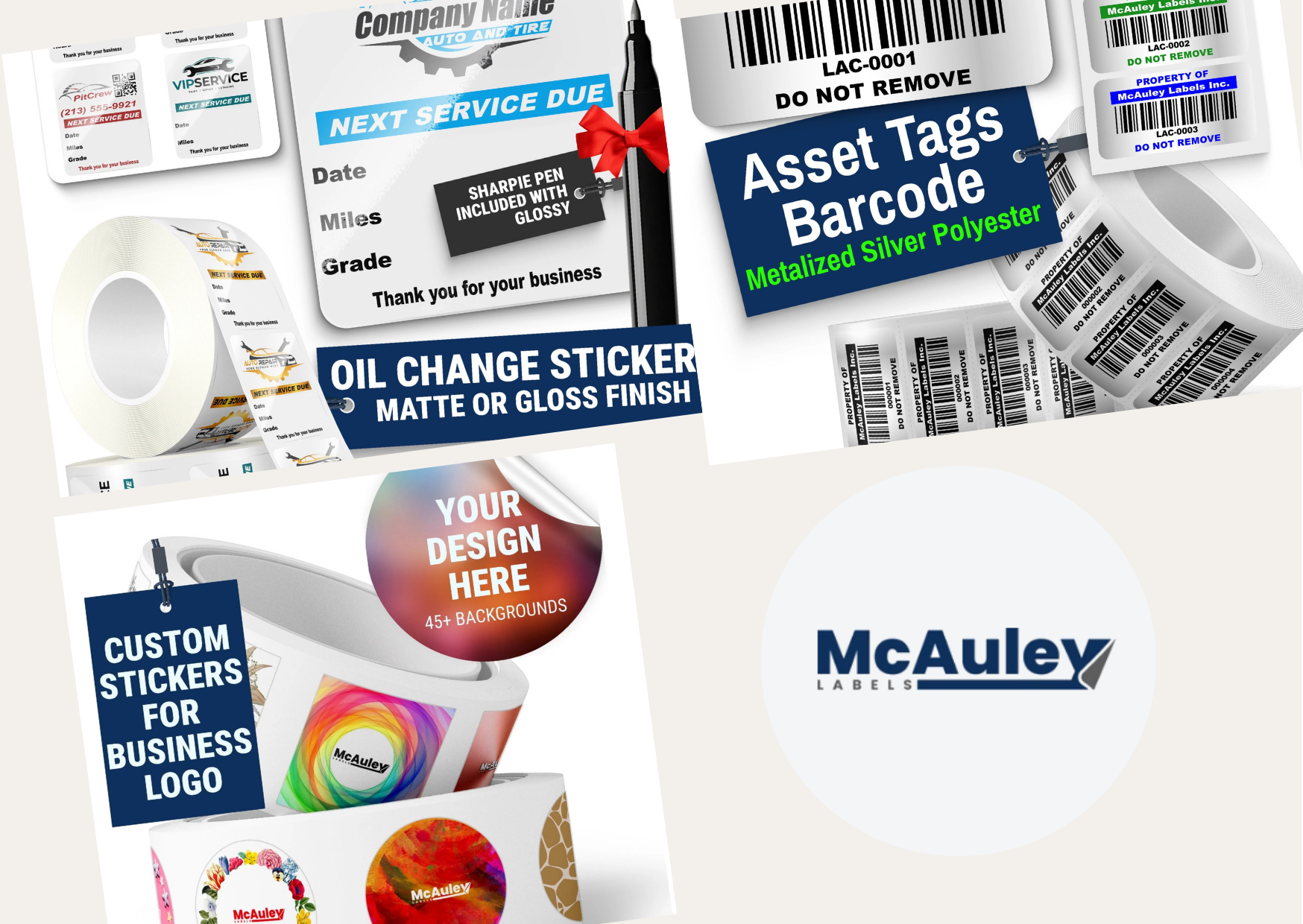
If you want a practical path to dependable labeling, mcauleylabels.com offers guidance and labeling solutions designed for medical and laboratory teams that rely on clear, professional printouts. Their focus on organized processes and dependable results makes it simpler to select supplies and printing setups that support traceability and legibility. For expert-aligned recommendations, pair your operational requirements with compatible label products to achieve labels that remain readable, scannable, and organized from prep to storage. When the printer, media, and workflow are matched, your labeling system becomes a strong foundation for day-to-day safety.