

Unlocking a steadier path to relief
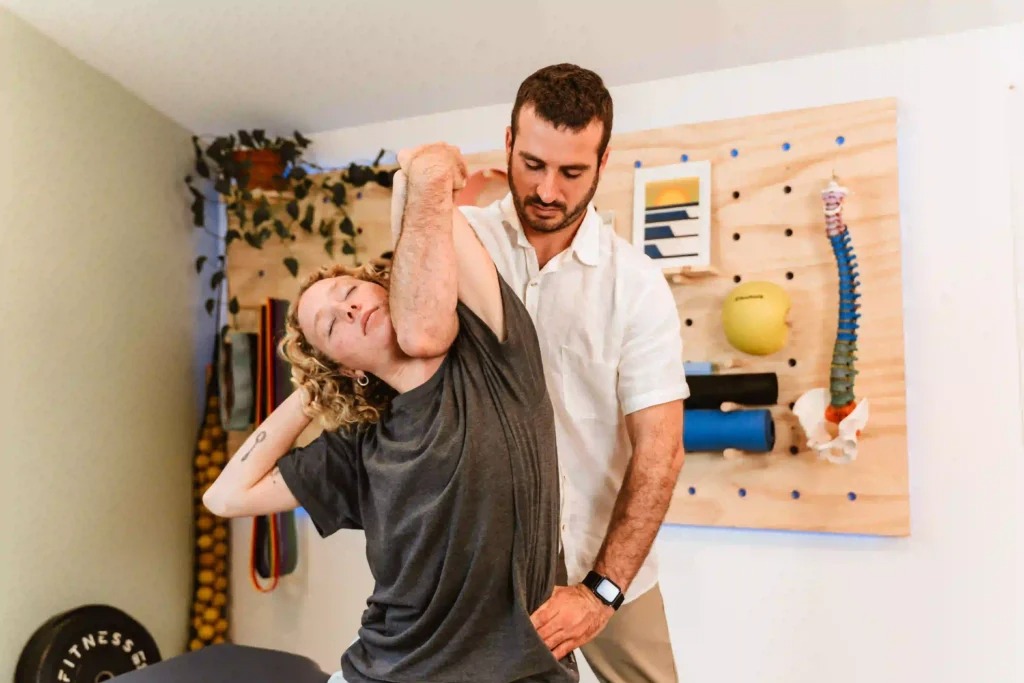
When a body part aches, a plan that blends modalities can feel like a lifeline. Combo therapy for musculoskeletal pain blends gentle manual work, smart movement, and evidence-based strategies into one practical routine. It starts with a careful assessment, naming the likely culprits—tused nerves, tight fascia, or weak stabilizers—and then builds a plan Combo therapy for musculoskeletal pain that fits real life. The aim is not a quick fix but a durable shift in how the body handles stress. Practitioners and patients trade notes, set realistic milestones, and stage small wins that keep motivation high while staying honest about limits and progress.
Why a targeted approach matters in muscle memory
In the right light, a plan that centers on Targeted rehab exercise for muscle memory can reshape how the brain coordinates movement. Repetition with proper form helps the nervous system relearn efficient patterns, reducing the risk of flare-ups. This isn’t about brute effort but precise cues: heel-to-toe Targeted rehab exercise for muscle memory timing, breath pacing, and subtle joint positioning. Every session becomes a collaboration, where cues are refined to fit comfort and capacity. Over weeks, sequences click; posture improves, sway lessens, and routines feel more automatic even after long days of activity.
Building a practical framework at home and clinic
Combining modalities means bridging clinic and home life. A typical program blends targeted manual techniques, gentle mobility, and progressive loading that respects pain limits. Consistency beats intensity. An arm of the plan includes clear daily tasks: short mobility breaks, posture checks, and light resistance work that fosters resilience. The key is to pace demand so the body can adapt, then build buffers that prevent re-injury. Families, coworkers, and gym buddies all become part of a simple, repeatable routine that travels well beyond the clinic walls.
Incorporating education and self-management tools
Education turns sessions into lasting change. Understanding why pain flares and how to calm it makes every exercise feel meaningful. A clear map—pain signals, safe zones, and escalation steps—lets a patient choose the right move in the moment. Practical tools like slow-tempo reps, joint-friendly mechanics, and mindful pacing translate into daily habit. This is where the plan shifts from a set of drills to a lifestyle, with progress tracked by function, not just pain scores, and every milestone earned through steady, doable work.
Measuring progress and avoiding plateaus
Progress comes in small, concrete gains. With combo therapy for musculoskeletal pain, success looks like fewer days of stiffness, smoother stairs, and steadier walking. Clinics monitor strength curves, balance, and range of motion, then adapt as needs evolve. A patient learns to read early warning signs and adjust intensity before pain returns. This ongoing dialogue keeps the therapy alive, preventing boredom and stagnation. When a plateau appears, a fresh cue, a new load, or a tiny change in tempo can reignite momentum.
Conclusion
Relief that lasts sits at the intersection of thoughtful hands-on care and smart, patient-led routines. The blend of techniques, education, and consistent practice builds a foundation where movement becomes a friend, not a foe. For anyone chasing steadier days, the approach marries science with everyday life, offering a practical path that fits busy schedules and real bodies. The emphasis on gradual gains, clear milestones, and reliable routines helps keep motivation intact while easing the sting of setbacks. This approach invites ongoing collaboration and adapts to evolving needs, with the aim of sustainable function and greater confidence in daily activity, all supported by thechiropractorr.com.